
We teach. You lead. We stay on as backup.

Our goal is for your community to run its own care. We train your staff to run monitoring, care management and billing, then hand it off. After that, our nurses stay on as 24/7 backup for nights, weekends and busy times.

Who we serve: tribal health programs, and IHS and tribal clinics.

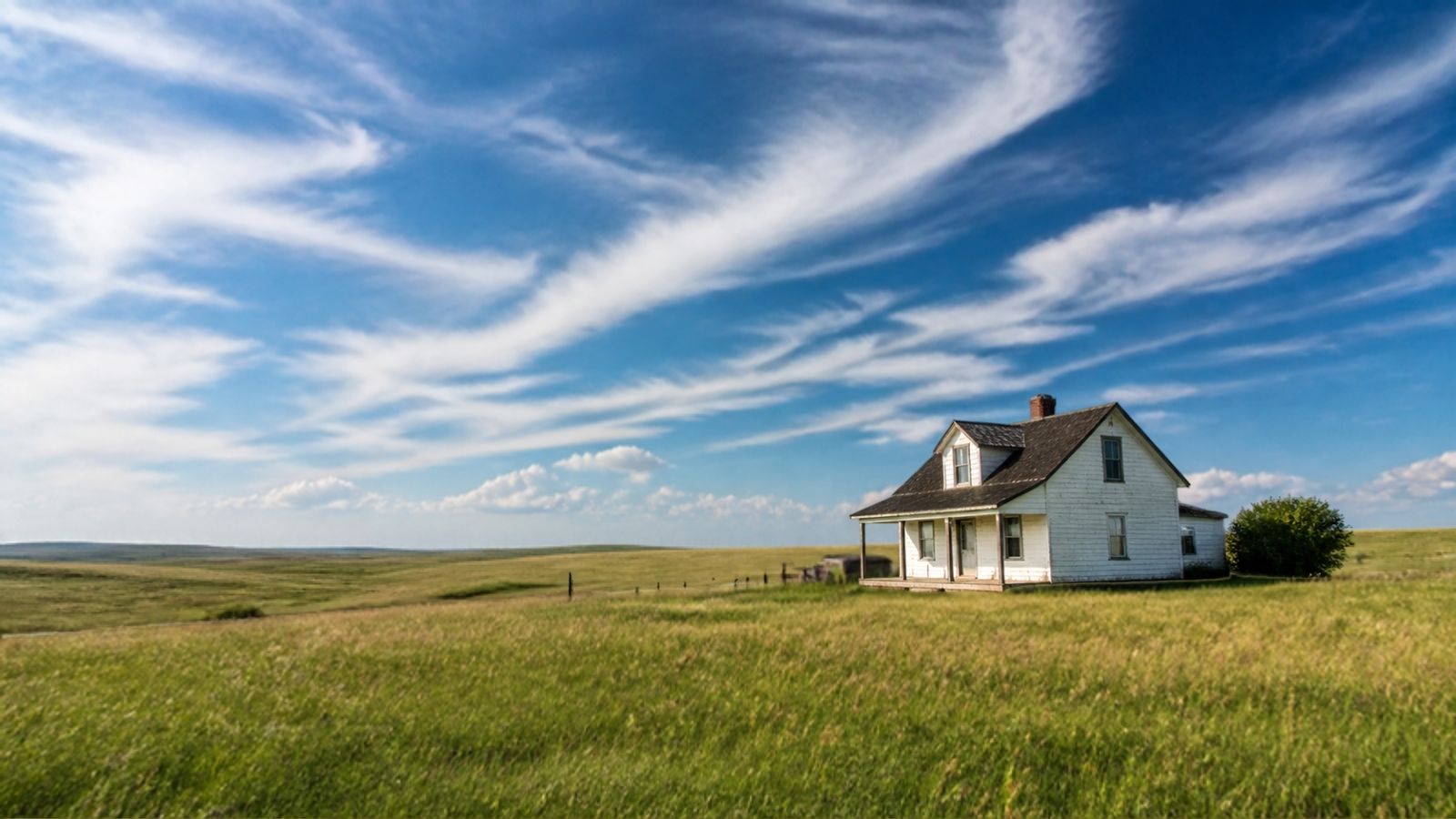
A small white farmhouse on open prairie grassland under a wide blue sky

What we do

Every program is built around your community, your people and your way of caring for elders and families.

A smiling nurse wearing a headset on a telehealth video call at a laptop
  • Training for your teamHands-on teaching for your staff to run remote monitoring, chronic care management and the billing that keeps those programs paid for. How our remote monitoring works
  • 24/7 nurse backupRegistered nurses cover nights, weekends and surge times, so your team isn't on call around the clock. About our command center
  • Care coordination for eldersNamed nurses who check in, watch readings and work with families, so elders can stay safe at home.
  • Food pharmacyFood as medicine: what we eat is fuel for our body's engine. Dietitian support, help with SNAP and food programs, and monitoring that shows how food changes blood sugar and blood pressure.
  • Whole-person supportHelp with housing and home repairs, utilities and benefits paperwork, followed through until it's done. Whole-person support

How we're different

Results with Alaska tribal health programs

We've seen strong results coordinating care for Alaska Native elders: steady check-ins, problems caught early, and elders able to stay in their homes and communities. See the results

Teach, then hand off

The skills and the program stay with your community. We don't plan to be there forever.

Billing experts on our team

Our own billing experts map your state's rules and set the program up to bill correctly from day one.

Backup when you need it

After hand-off, our nurses are still there 24/7 for the hours your team can't cover.

The whole family

Unlimited behavioral health and dietitian support for patients, family members and caregivers.

Results from an Alaska Native community

Shown with identifying details removed, and shared with the patient's permission.

Medicaid, remote Alaska community

Heart failure, diabetes and hypertension

A patient in a remote town where any admission can mean a medical evacuation. Daily monitoring, heart failure education, corrected medication timing and ongoing counseling brought his numbers into range.

StartAfter
HbA1celevated5.4%
Average glucoseelevated110 or less
Blood pressureelevatednormal range

Two episodes of care prevented in the first 45 days.
What it was worth

About 20× return on care

Roughly $172,000 in estimated avoided episode and evacuation costs, against $8,600 in program cost. In a remote community, every avoided trip out is money that stays with your program and a patient who stays home.

Estimated by comparing program cost with the cost of the episodes of care that were prevented. More case studies

In their words

“They work alongside local providers and community health aides rather than around them, with respect for each community and its ways of caring for one another.”

Former community health center CEO, Alaska

“Each conversation feels like I am speaking with a trusted friend, and I have complete confidence in their care.”

Tribal elder and Vietnam veteran, Alaska

A turnkey program that strengthens your whole community

We set up and run the whole program, then teach your team to run it. Healthier patients, new revenue for your program, and jobs and know-how that stay at home. Rules vary by state, so we map yours before we start.

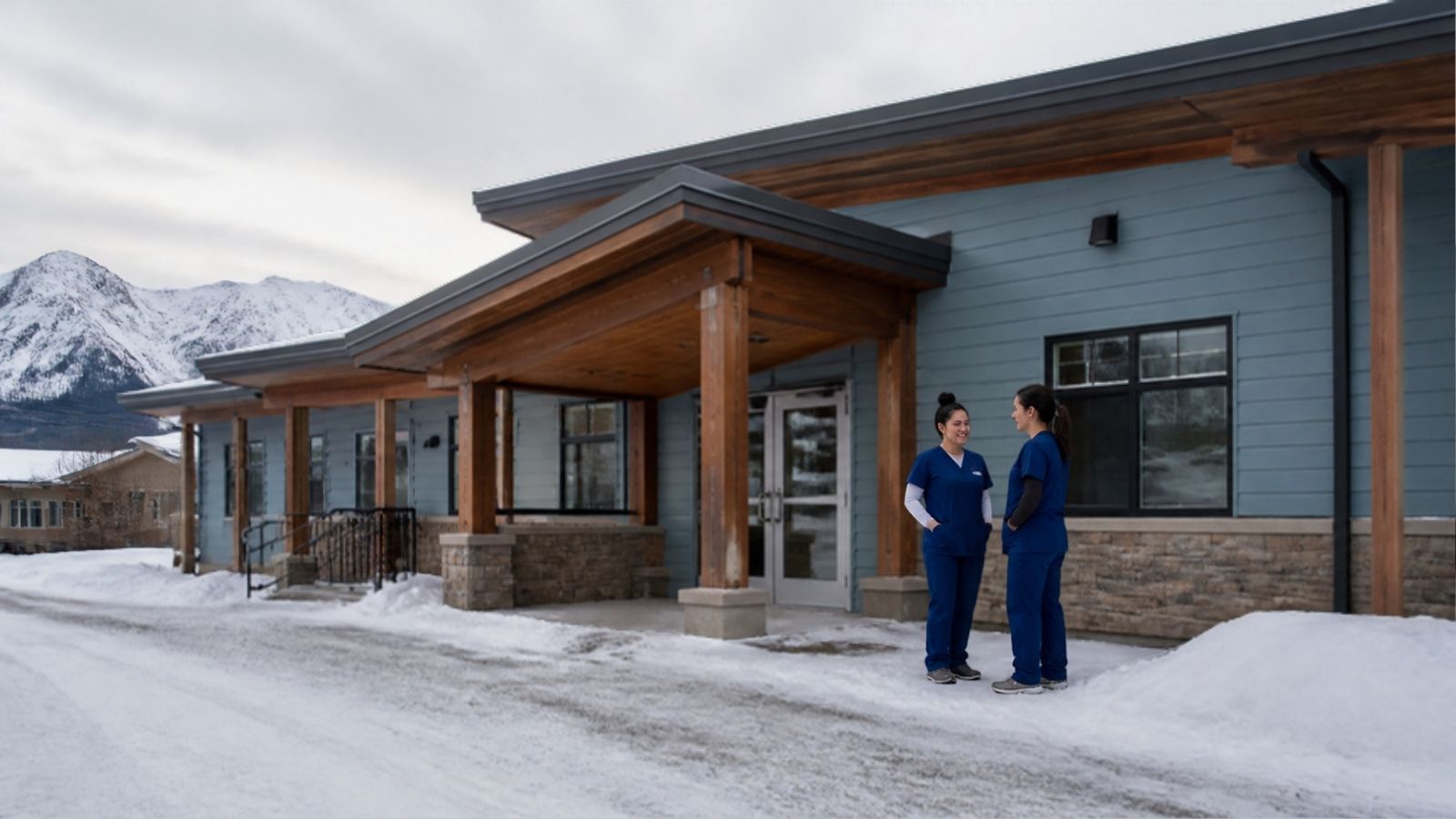
Two nurses outside a small community clinic in a snowy, mountainous northern town
  • Better health at homeRN telehealth visits, remote monitoring and care management, so patients get care without the long trips.
  • New revenue for your programOur billing experts set it up to bill correctly from day one, so the program brings money in instead of costing you.
  • Built to stay in the communityWe train local people to run the care, monitoring and billing, creating jobs and keeping the dollars and the know-how with the tribe.
  • Less spent outside your clinicFewer avoidable ER trips, admissions and evacuations means fewer Purchased/Referred Care dollars leaving your program.
  • PRC dollars stay with your programCare your own clinic delivers and bills, instead of referring it out, keeps Purchased/Referred Care funds for the patients who truly have to go outside.

How it works

A path from our nurses to your own.

  1. Listen first

    We learn your community, your clinic and what your people need most, and map your billing.

  2. Start with a pilot

    Our nurses begin caring for a first group of patients. The pilot is the start of your program, not the whole of it.

  3. Care together

    Your staff take on more each month while we teach monitoring, care management and billing.

  4. Hand off, about year 3

    Your team runs daytime care. Sooner if you're ready, later if you need it.

  5. 24/7 backup

    Our nurses cover nights, weekends and surge times, for as long as you want us.

Life outside the clinic

Stress about a home, the heat or food shows up in blood pressure and blood sugar. So it's part of the care plan.

See how we help · See outcomes from our programs

Fresh vegetables, beans and whole grains being prepared on a home kitchen counter
  • Housing and home repairsOne patient, a Native American Marine veteran in Alaska, needed a new roof on a limited budget. His nurse and our navigator found the help. Read his story
  • Utilities and foodUtility assistance, weatherization programs, SNAP and food help.
  • Benefits paperworkApplications and forms, filled out with the patient and followed through.

Talk with our clinical team.

Call or text 330-275-3755, or tell us about your community and we'll show you how we'd work together.

Contact us