Results from patients in our remote care programs, shown with identifying details removed. Each patient had a named nurse, connected home monitoring and help with the barriers around their care.
7,500+specialty infusions and injections at home, across oncology, neurology, rheumatology, gastroenterology and more, with zero adverse reactions
0hospital admissions in 21 months for a patient who had been admitted about twice a year
11.5% → 7.5%HbA1c in eight months for a patient with uncontrolled diabetes
3hospitalizations avoided for a patient with COPD, heart disease and diabetes
Case studies
Commercial plan, 8 months
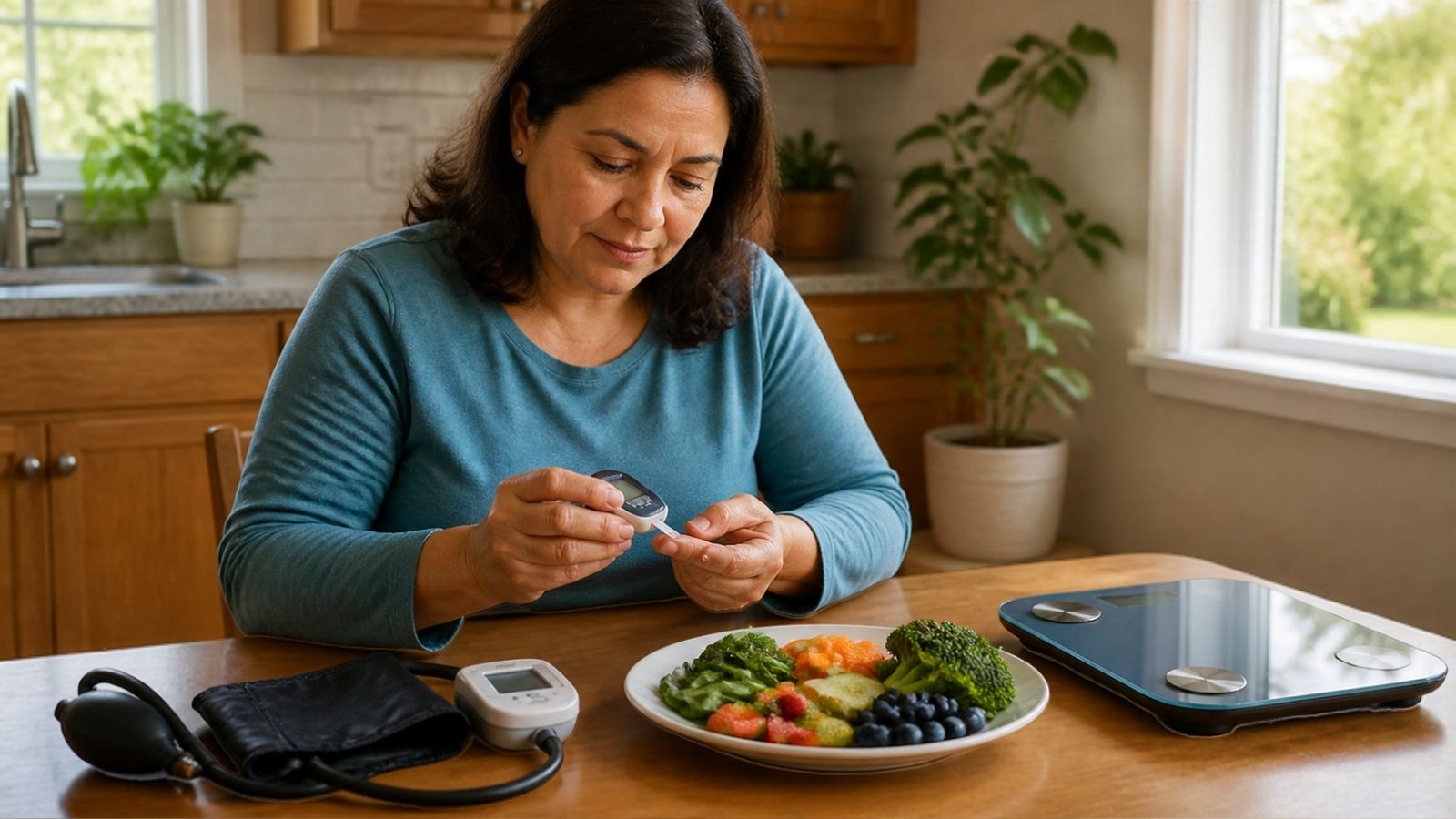
Uncontrolled diabetes and metabolic syndrome
Eleven chronic conditions, no preventive screening in ten years, and a diabetes medication she couldn't afford on a high-deductible plan. We enrolled her in manufacturer copay support, set up a connected glucometer, blood pressure cuff and scale, and worked with her PCP and endocrinologist on nutrition and medication.
Start
After
HbA1c
11.5%
7.5%
Triglycerides
793
188
Total cholesterol
235
165
Blood pressure
150/78
116–130/70s
Weight
202 lb
182 lb
One ER visit and four unplanned office visits avoided. Readings on 27 days a month on average.
Traditional Medicare, 21 months
Heart failure and severe COPD
Ten chronic conditions, 17 medications and an ER-to-hospital admission most years. No Part D coverage, so his inhaler went unused. We secured coverage and manufacturer support, replaced his oxygen tank with a portable unit, ordered a sleep study, supported smoking cessation and titrated medications with his cardiologist and pulmonologist.
Start
After
Hospital admissions
~2 a year
0 in 21 months
Oxygen saturation
83–87%
97–100%
Blood pressure
90/50–180/110
120/80
BMI
38.3
34.9
Two ER visits prevented in the first 45 days. Quit smoking.
Dual eligible Medicare/Medicaid, 8 months
COPD, heart disease and diabetes
Nine chronic conditions, 16 medications, and splitting pills to make them last. Our nurses reconciled medication lists across four providers and two pharmacies, caught a dosing error that dropped her blood pressure to 70/40, and enrolled her in programs that made her medications affordable.
Start
After
Blood pressure
175/82
111/58
Blood glucose
above 255
76–126
Heart rate
95
72
Three hospitalizations avoided. Wellness visit and all preventive screenings completed.
Medicaid, remote community
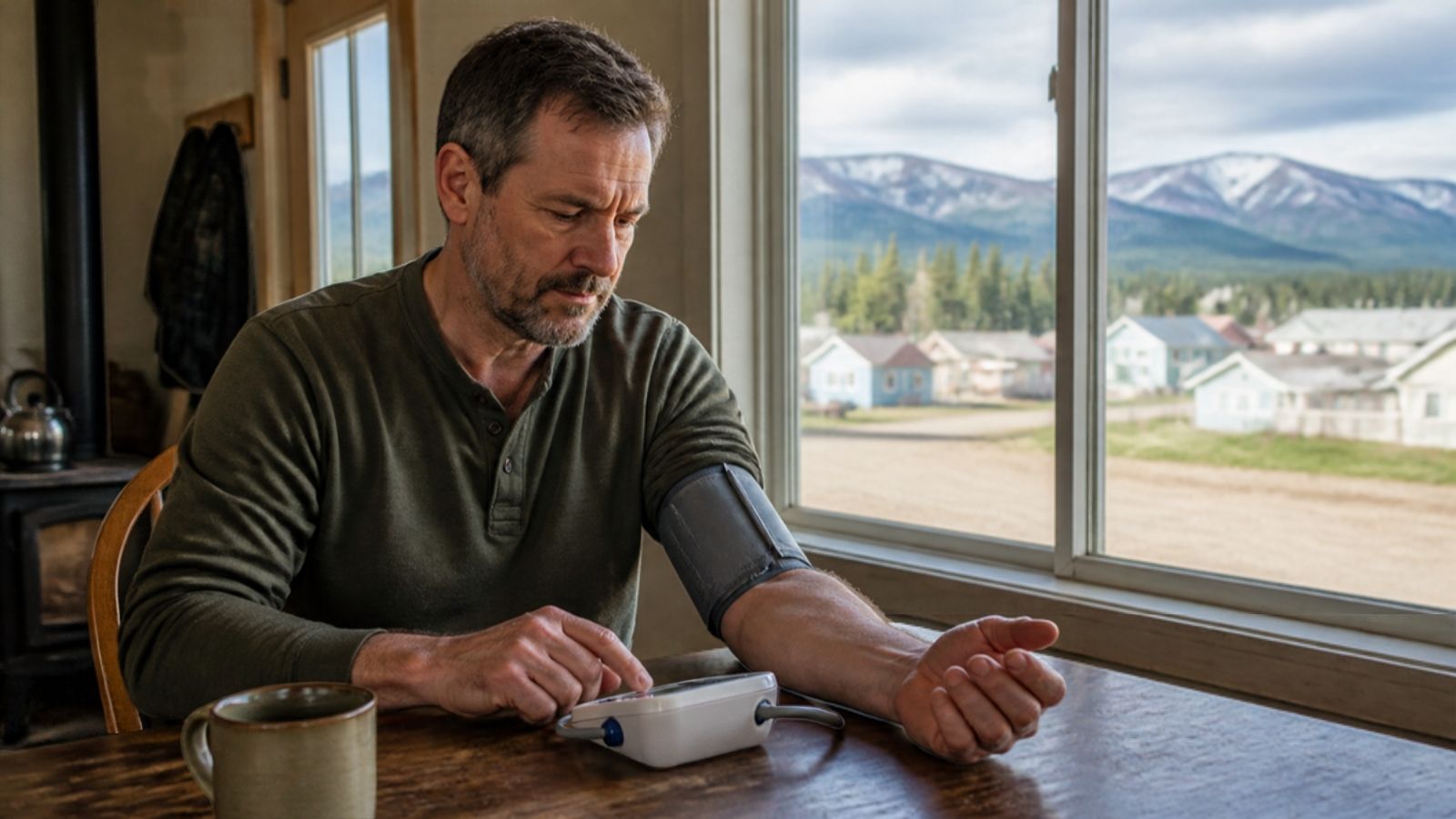
Heart failure, diabetes and hypertension
A patient in a remote town where any admission can mean a medical evacuation. Daily monitoring, heart failure education, corrected medication timing and ongoing counseling brought his numbers into range.
Start
After
HbA1c
elevated
5.4%
Average glucose
elevated
110 or less
Blood pressure
elevated
normal range
Two episodes of care prevented in the first 45 days.
Program outcomes, 2025 · Rural South and Alaska
Expanding remote care access for high-risk and underserved populations
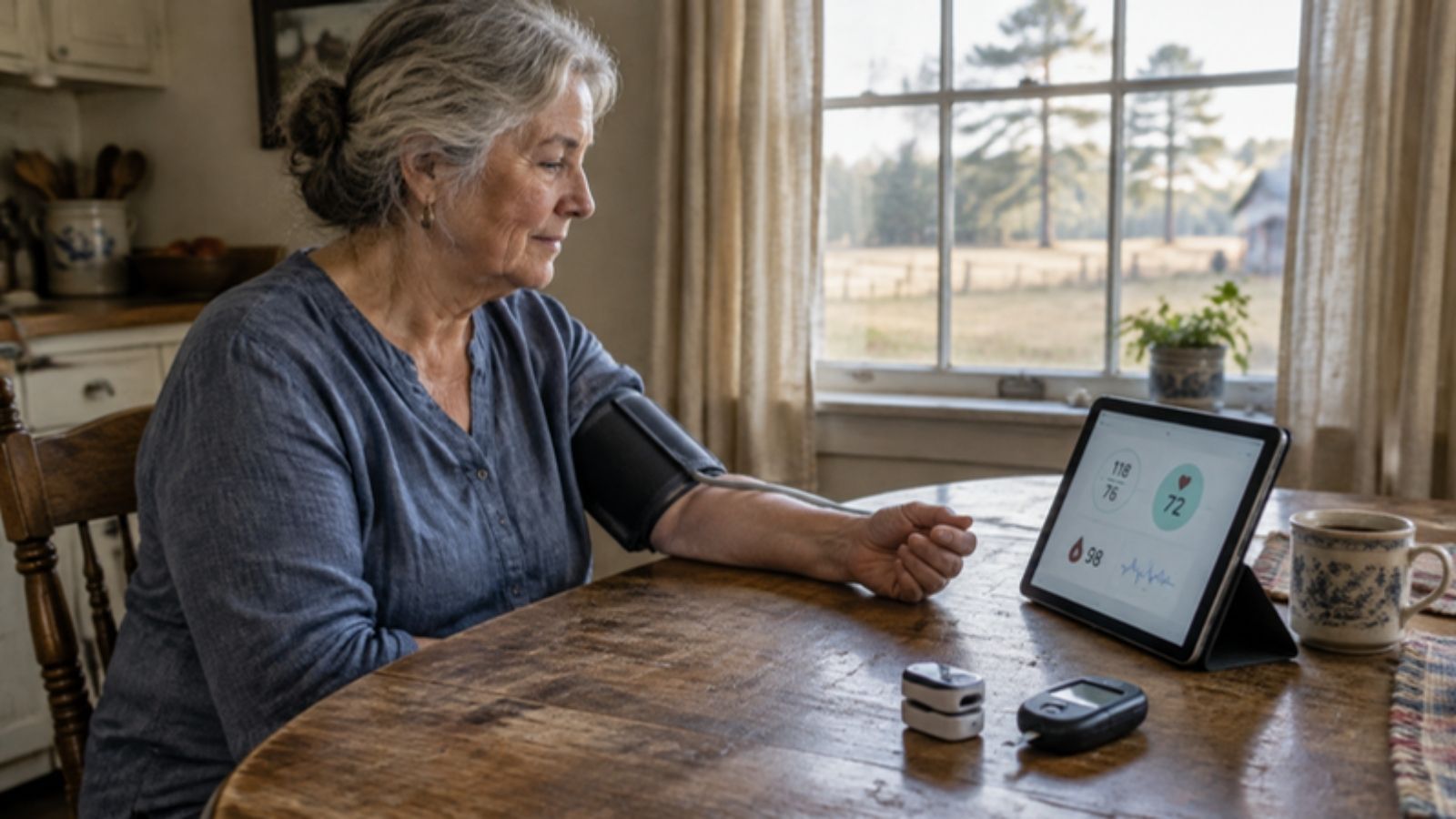
Geographic isolation, limited transportation and low digital literacy keep rural patients with chronic and complex conditions from engaging consistently with care. Our nurse-led program brought care into their homes, from Tennessee and Mississippi to remote Alaska Native villages, with a complete, FDA-approved remote care kit, a cellular tablet for anyone without a smartphone, and a nurse who helped each patient take readings, stay on their care plan and stay connected to their care team.
Measure
Result
Total patient activities logged
180,000+
Patients active during the year
98%
Vital sign readings recorded
96,000+
Patients submitting vital readings
94%
Medication reminders completed
86%
Patient–care team messages
100,000+
Monitoring alerts reviewed and closed
100%
Nurses also checked in on symptoms, exercise, housing stability and food security, so they could step in earlier when risks appeared.
What patients and families tell us
In their own words, summarized, with names removed.
His second infusion, at home, went much better than his first at a hospital infusion center.
Home infusion patient
He's doing very well. Getting his injections at home has improved his quality of life.
Family of an in-home injection patient
Thank you for helping get my Crohn's under control.
Patient with Crohn's disease
The encouraging messages help on both good and bad days, and make a real difference.
Remote care patient
Your boldness, concern and strength have been a force for me on my journey.
Remote care patient
Our nurse took very good care of our grandson.
Family of a young patient
Return on care
Estimated by comparing program cost with the cost of the episodes of care that were prevented.
3.8× on one prevented episode
3.8× on one prevented episodeMedicare patient: a typical episode cost about $32,700, against $8,600 for the first 45 days of care.
About 20× in a high-cost remote marketMedicaid patient: roughly $172,000 in estimated avoided episode and evacuation costs, against $8,600 in program cost.
Talk with our clinical team.
Call or text 330-275-3755, or tell us about your patients and we'll show you how we'd care for them.