Remote patient monitoring, built for tribal communities.
Cellular devices that work without Wi-Fi, registered nurses watching readings 24/7, and a program your own team can learn to run if you want to. We handle setup, care and billing documentation, so monitoring strengthens your program instead of straining it.
Who we serve: tribal health programs, IHS and tribal clinics, and urban Indian health programs.

What remote monitoring looks like with Hometime
Not a dashboard your staff has to watch. A nurse-run program where every reading is reviewed and every patient has a nurse who knows them.
- Devices that work anywhereSIM-enabled cellular blood pressure cuffs, scales, pulse oximeters and glucose monitors, plus wearables. No Wi-Fi, pairing or setup for the patient, which matters where broadband is thin.
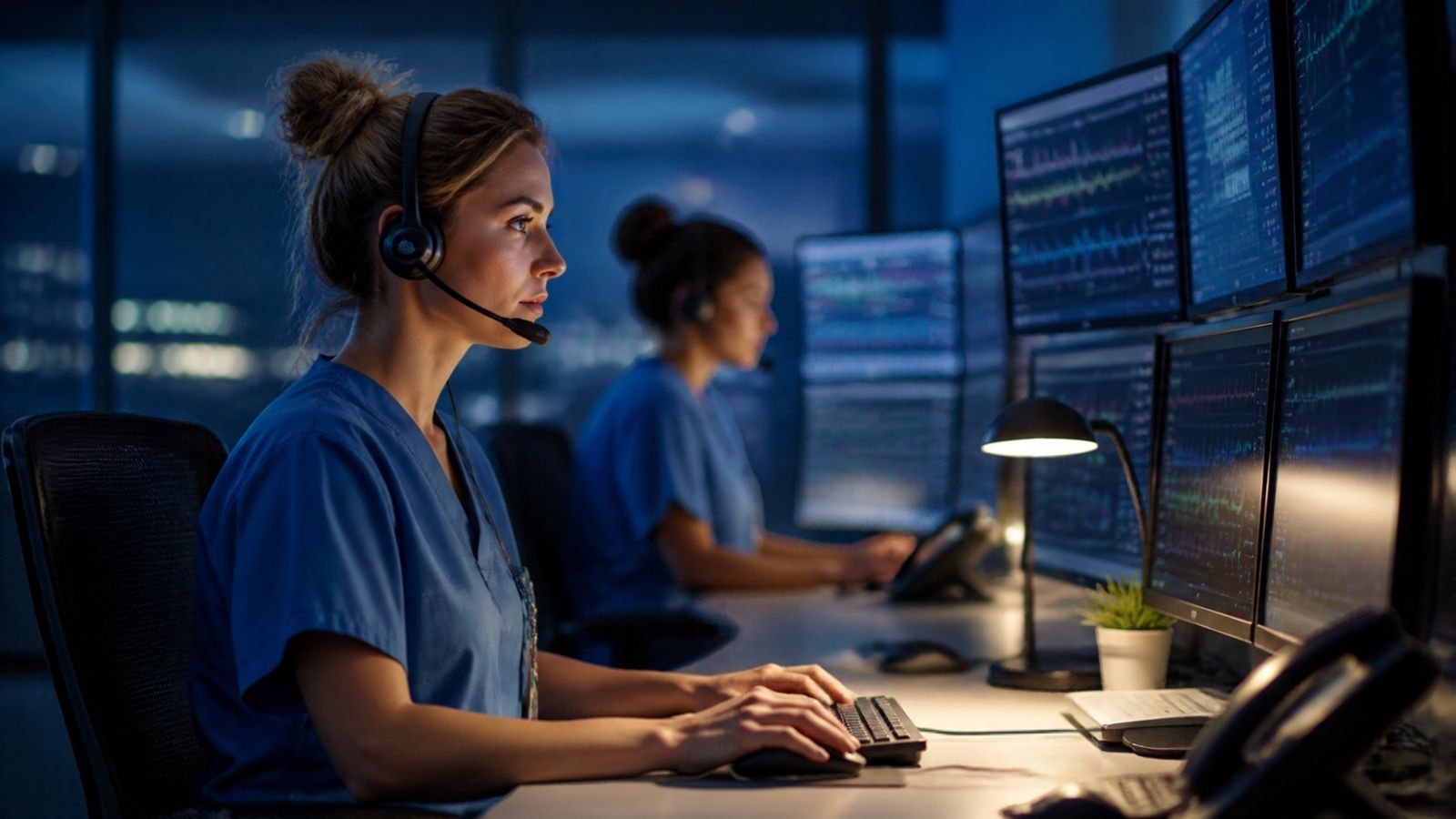
- Nurses on every reading, 24/7Readings go to our Virtual Command Center, where registered nurses watch for small drifts from each patient's own normal and reach out before a problem becomes an ER trip or an evacuation. How the command center works
- Care for elders, close to homeNamed nurses who check in by phone or video, work with families and coordinate with your clinic, so elders can stay in their homes and communities.
- Billing-ready documentationOur billing experts set the program up to document remote monitoring and chronic care management correctly from day one, mapped to your state's rules before we start.
- Your team can take it overIf you want, we train your staff to run the monitoring, care and billing themselves and hand it off, with our nurses staying on as 24/7 backup. That's always optional, never required. Our tribal health approach
Paying for it: your state's Rural Health Transformation funds
In December 2025, every state received its first-year award under the federal Rural Health Transformation Program, $50 billion over five years to strengthen rural care. Through 2026, states have been releasing grants and requests for proposals, and many state plans specifically name remote patient monitoring and telehealth as funded uses.
Tribal health programs and rural clinics are often among those eligible to apply or partner under their state's plan, and the rules differ in every state. We follow the state plans and can help you see whether your state's funding fits a monitoring program for your community. And because the program is set up to bill correctly as it runs, it is built to keep going after any grant funding does.
- $50 billion, 2026–2030Federal funds allocated to all 50 states to modernize rural care, including technology like remote monitoring.
- Spent state by stateEach state runs its own plan and decides who can apply. Many plans name telehealth and remote patient monitoring outright.
- Happening nowStates began releasing subgrants and RFPs in 2026 and will keep doing so each year of the program.
- Built to outlast the grantMonitoring and care management are billable services, so the program is designed to sustain itself after startup funding.
Why it matters in tribal communities
When the nearest hospital is hours away, or a bad turn means a medical evacuation, catching a problem early is the whole game. In one remote Alaska Native community, daily monitoring and nurse follow-up prevented two episodes of care in a patient's first 45 days. See the results
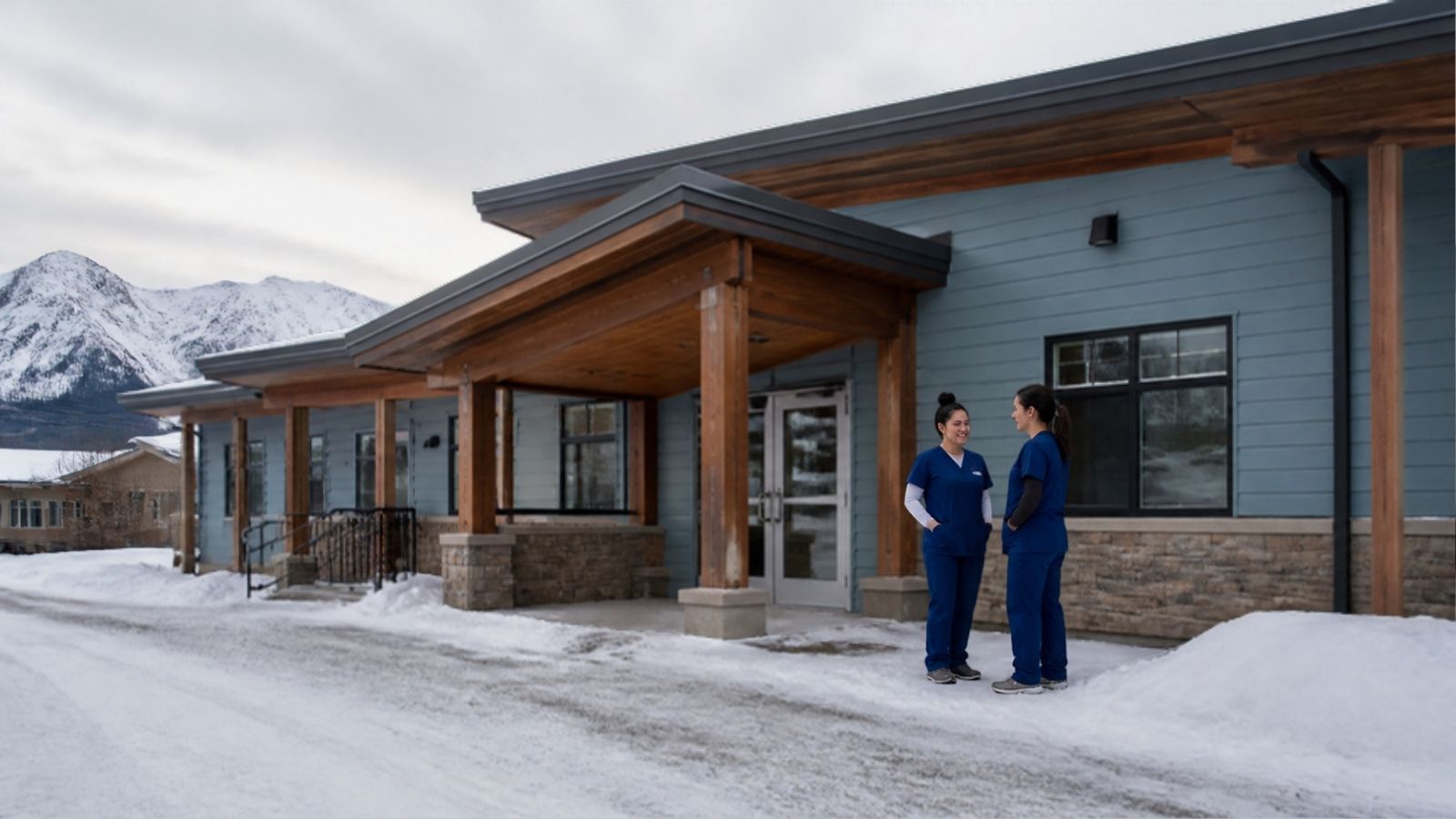
- Fewer trips outProblems caught early are usually handled at home, which means fewer avoidable ER visits, admissions and evacuations, and fewer Purchased/Referred Care dollars leaving your program.
- Food pharmacy, measuredFood as medicine: dietitian support paired with monitoring that shows patients how meals change their blood sugar and blood pressure.
- Whole-person supportHousing, utilities, food and benefits paperwork handled by our resource navigators, because stress at home shows up in the readings. How it works
- Jobs and know-how that stayWhen your team is ready, the care, the monitoring and the billing skills stay with the tribe.
Talk with our clinical team.
Call or text 330-275-3755, or tell us about your community and we'll show you how a monitoring program could work, and how your state's funding fits.